My cameras
More details about the cameras I use.
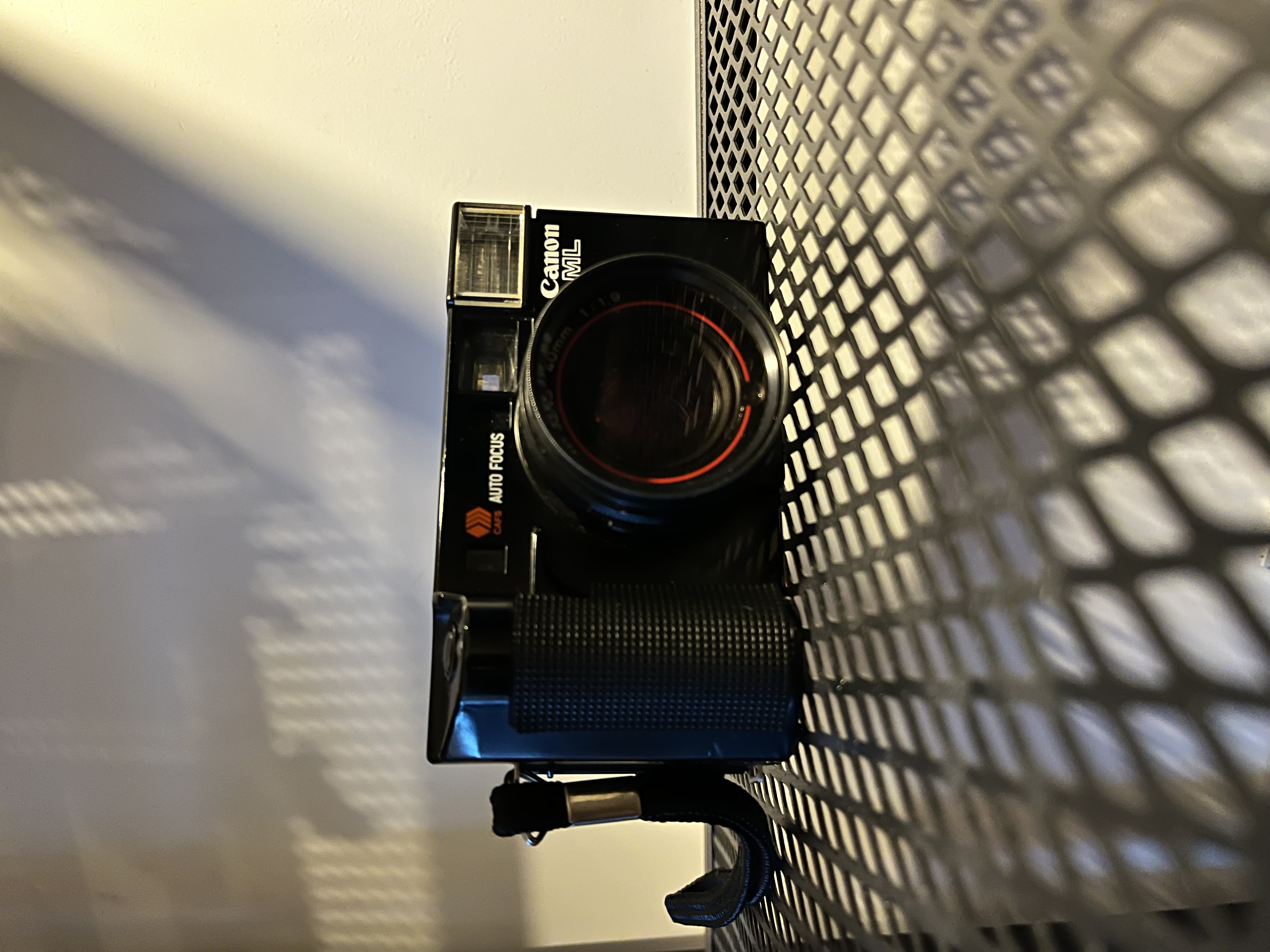
Canon · 1981
Canon AF35ML
The Canon AF35ML is the successor of the first Autofocus rangefinder from Canon. It is well known for its fast f/1.9 lens.
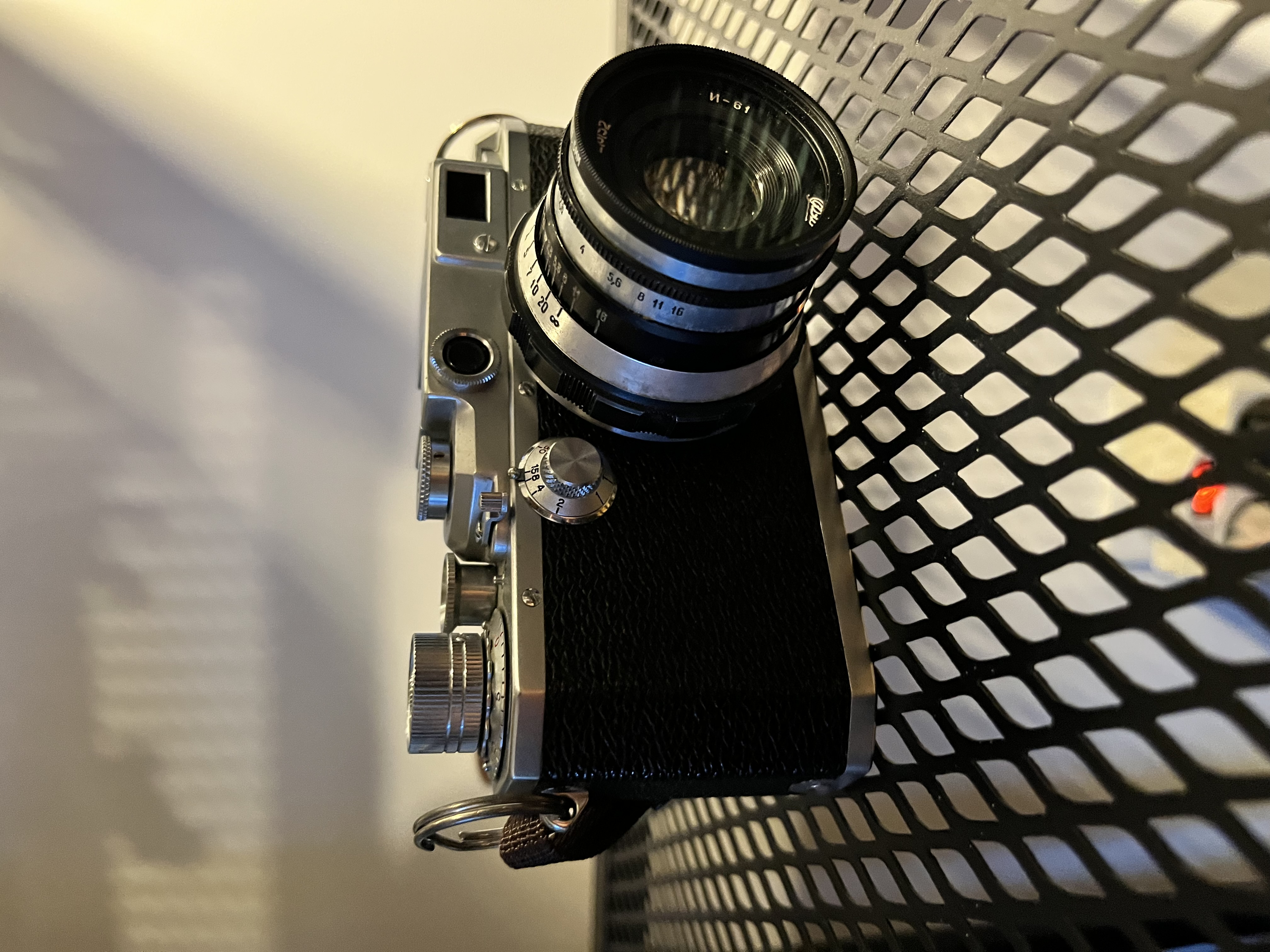
Canon · 1952
Canon IID2
A vintage rangefinder camera, a direct heir to the Leica cameras of its time, with precise and sturdy mechanics.
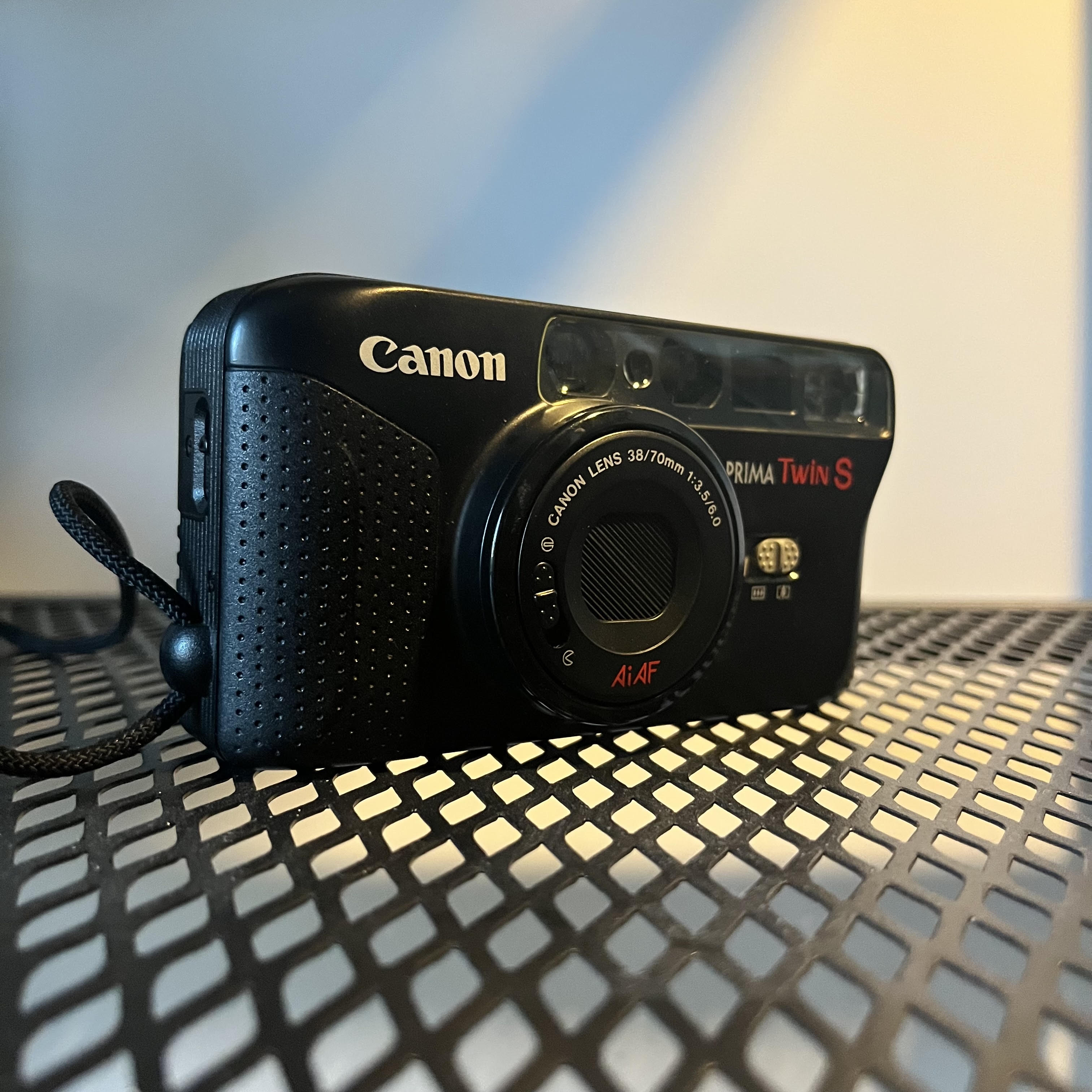
Canon · 1991
Canon Prima Twin S
The Canon Prima Twin S is a compact 35mm point-and-shoot film camera released in the 1990s. Its key feature is a dual focal length lens that lets you switch instantly between a wide 38mm f/3.5 and a portrait-friendly 70mm f/6.0.
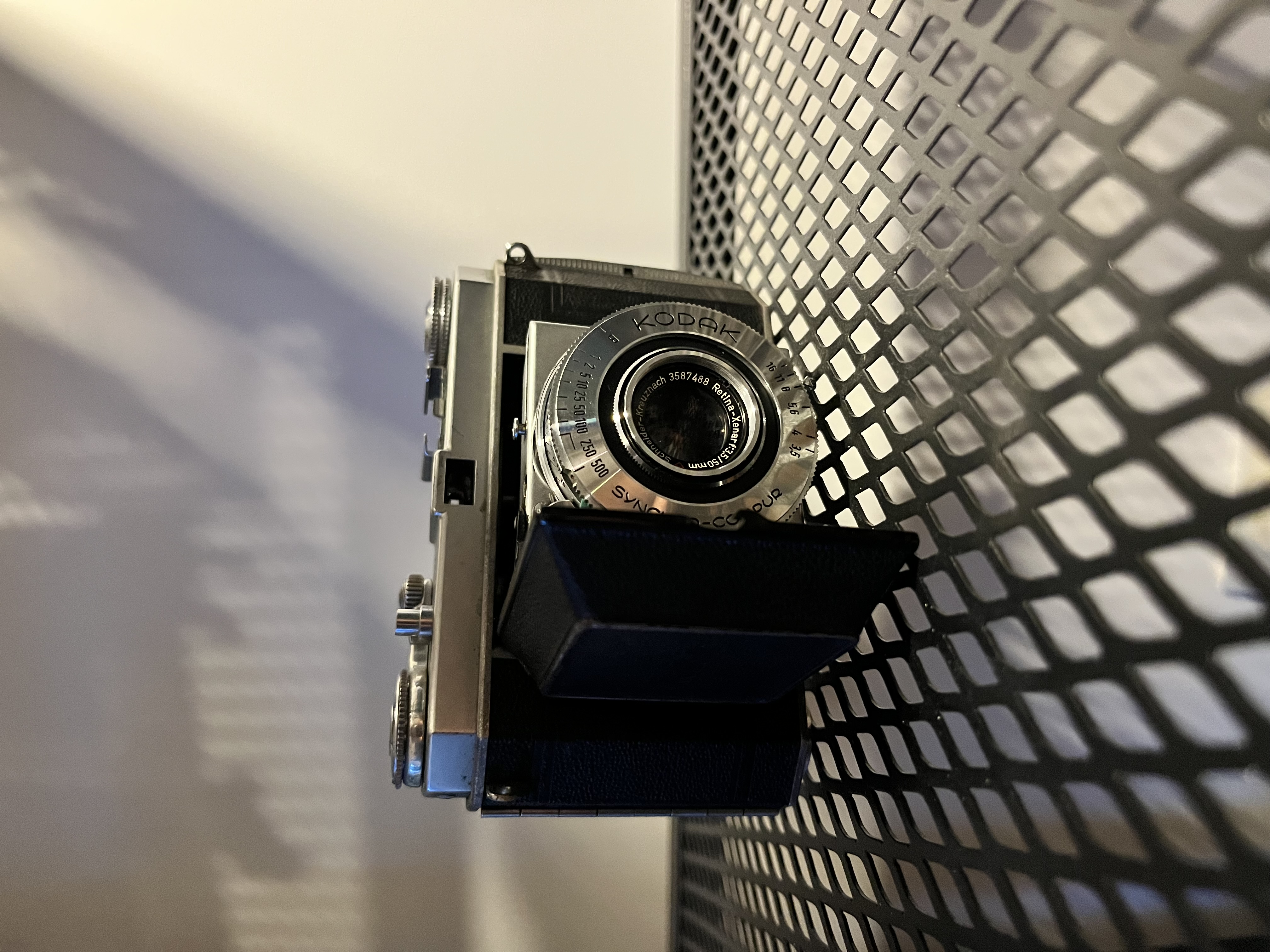
Kodak · 1951
Kodak Retina Ia
The Kodak Retina Ia is an iconic 35mm folding camera produced in Germany during the early 1950s, renowned for its pocketable design and razor-sharp Schneider-Kreuznach lenses.
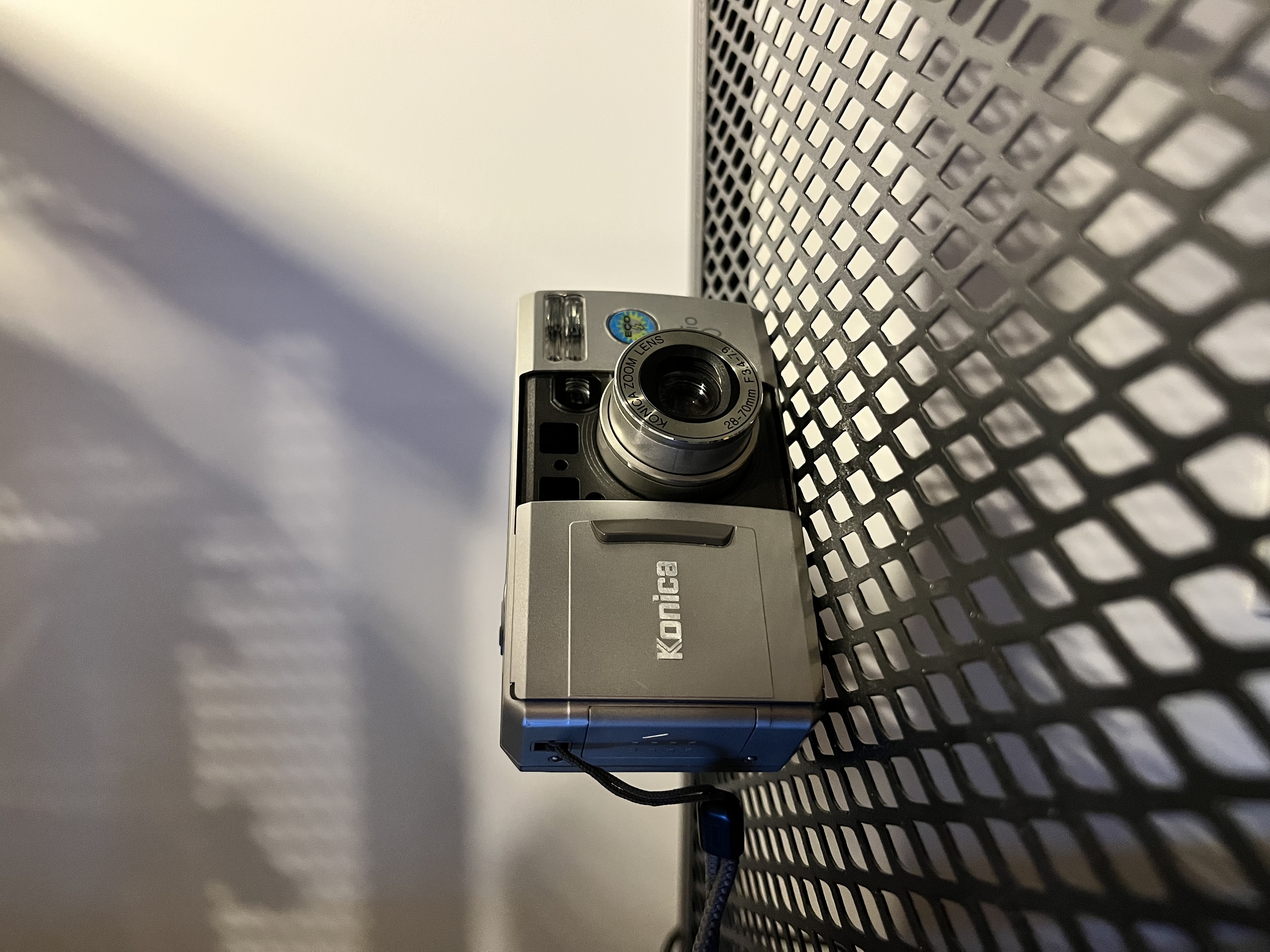
Konica · 1997
Konica Lexio 70
A 90s compact zoom camera, practical for travel with its fast autofocus and versatile focal range.
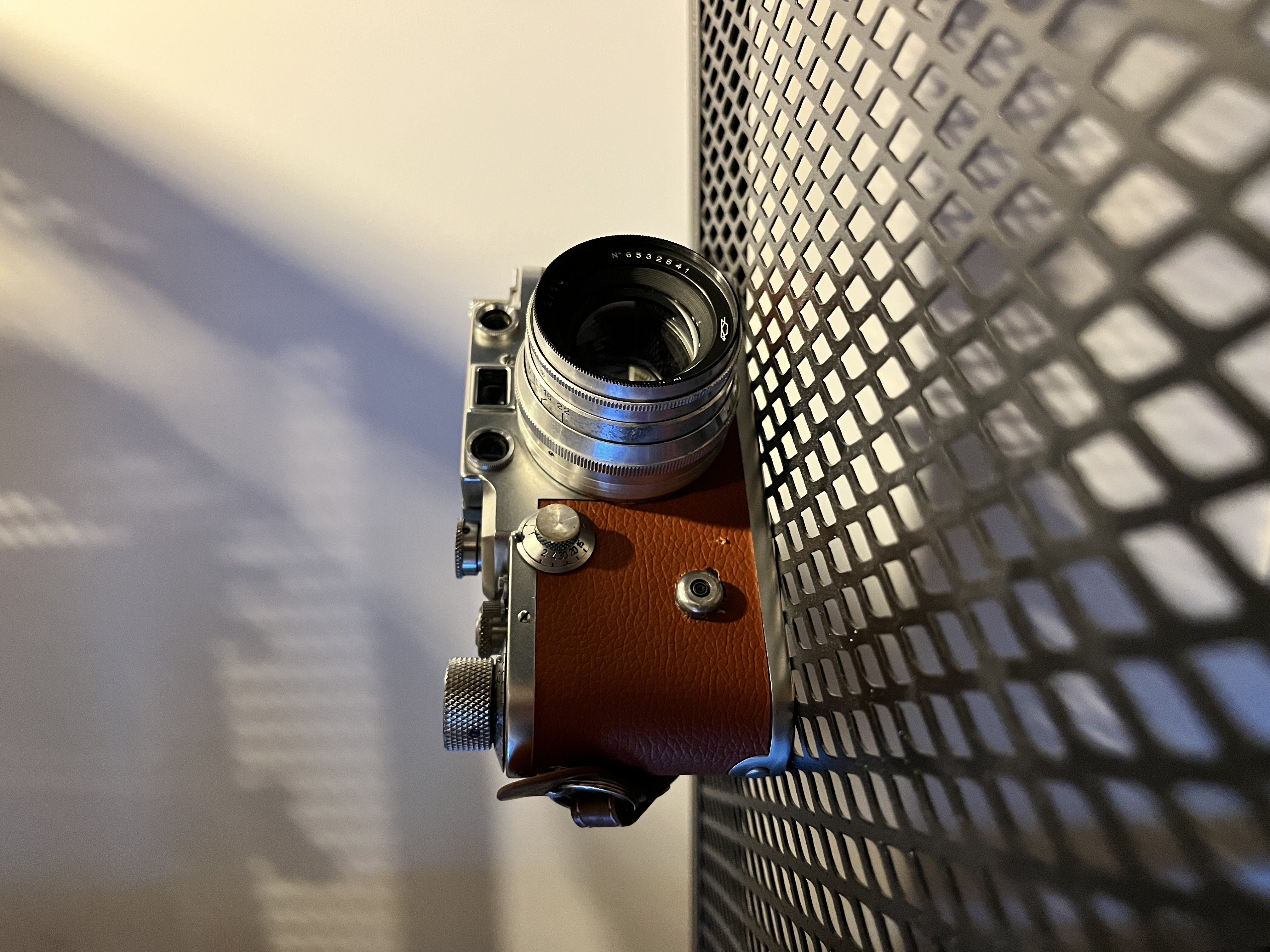
Leica · 1947
Leica IIIc
Introduced in 1940, the Leica IIIc is a classic 35mm rangefinder camera that marked a significant engineering milestone. Unlike its predecessors, the IIIc was built using a single die-cast aluminum chassis, making it slightly longer, sturdier, and far more precise in its internal alignment.
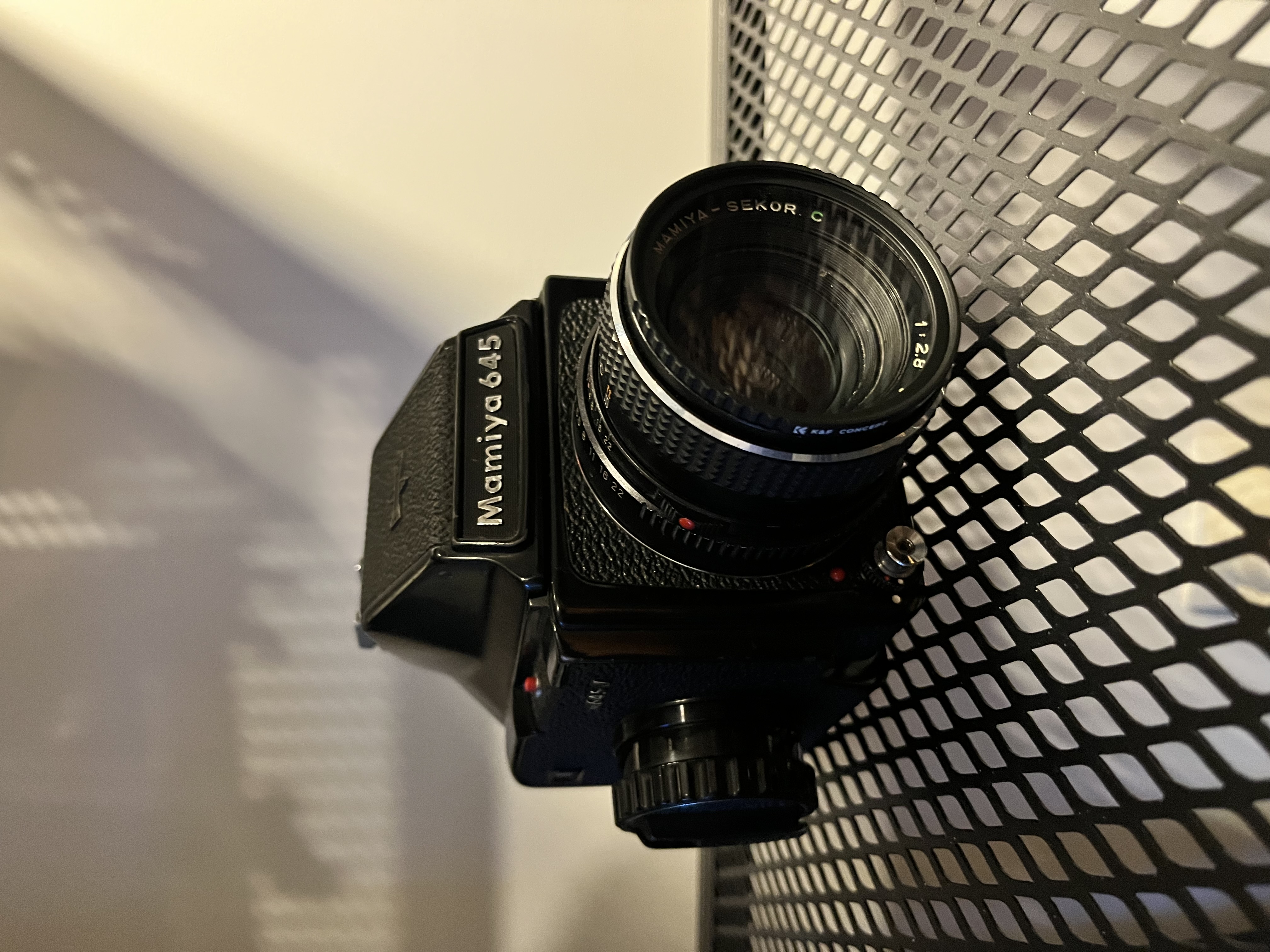
Mamiya · 1979
Mamiya 645J
The Mamiya 645J is a lightweight, stripped-down version of the classic Mamiya 645 medium format SLR, designed to offer high-quality 6x4,5 film photography at a more accessible price point. Introduced in the late 1970s, it strips away non-essential features like the self-timer and mirror lock-up while keeping full compatibility with the extensive system of M645 lenses and viewfinders.
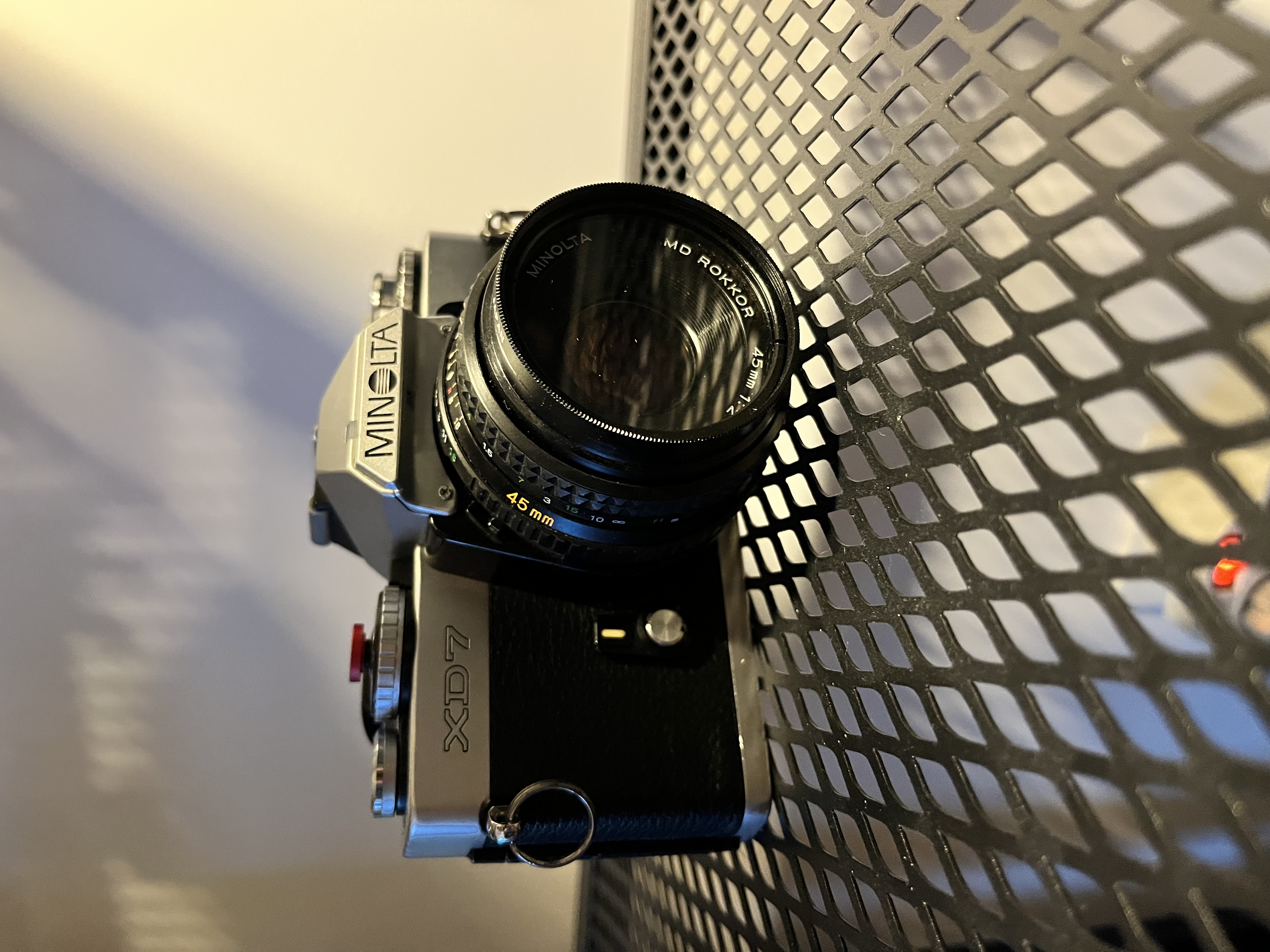
Minolta · 1977
Minolta XD7
The Minolta XD7 is a 35mm SLR launched in 1977, famous for being the world's first camera to offer both aperture-priority and shutter-priority automatic exposure modes. Developed in collaboration with Leica, it is widely recognize for its ultra-smooth shutter, bright viewfinder, and compact, premium metal body.
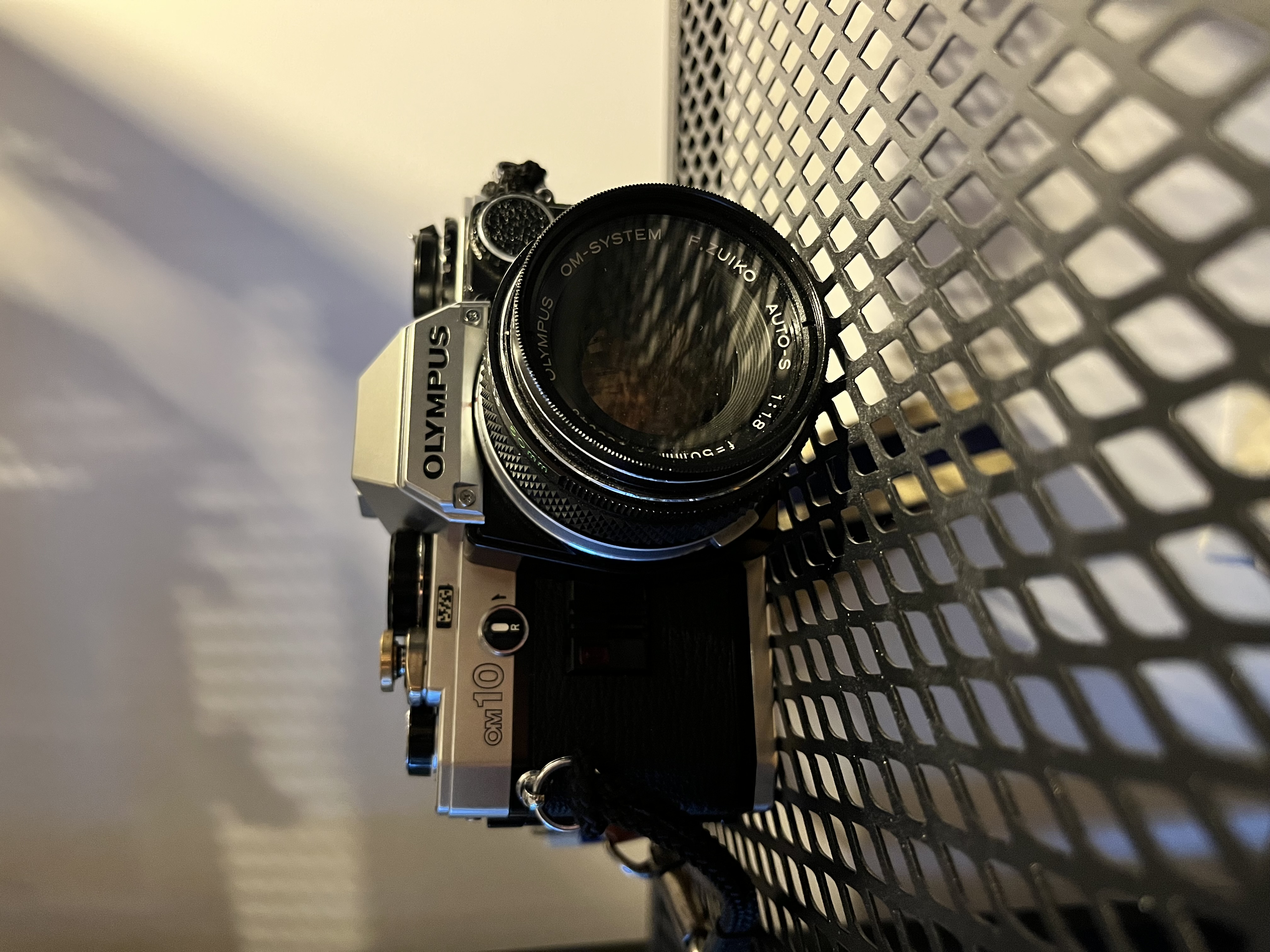
Olympus · 1979
Olympus OM-10
A compact and lightweight SLR body, designed for beginners with its automatic mode, but able to switch to manual thanks to the dedicated adapter.
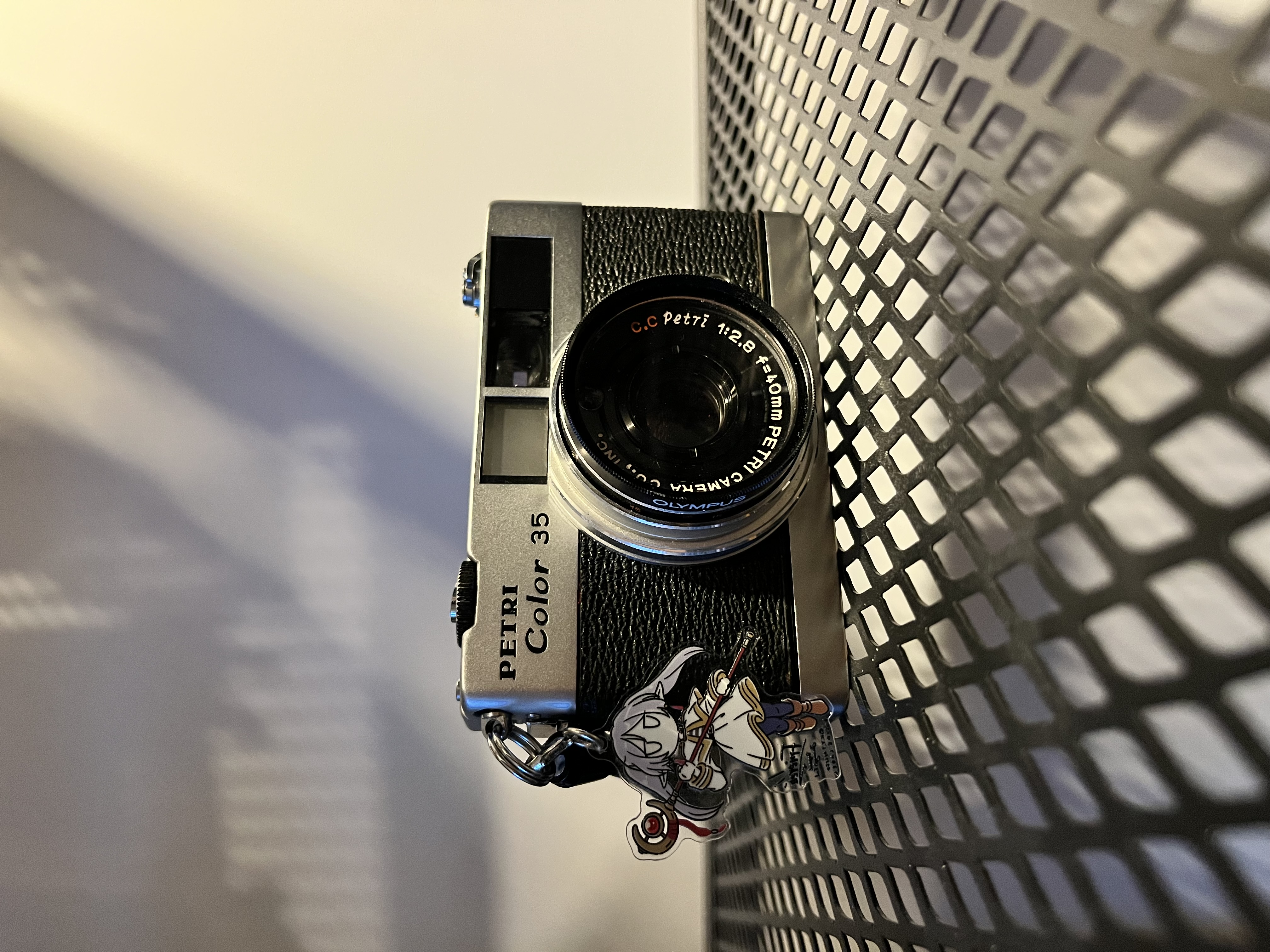
Petri · 1968
Petri Color 35
A small Japanese rangefinder, known for its fast lens and pocket-friendly size.